
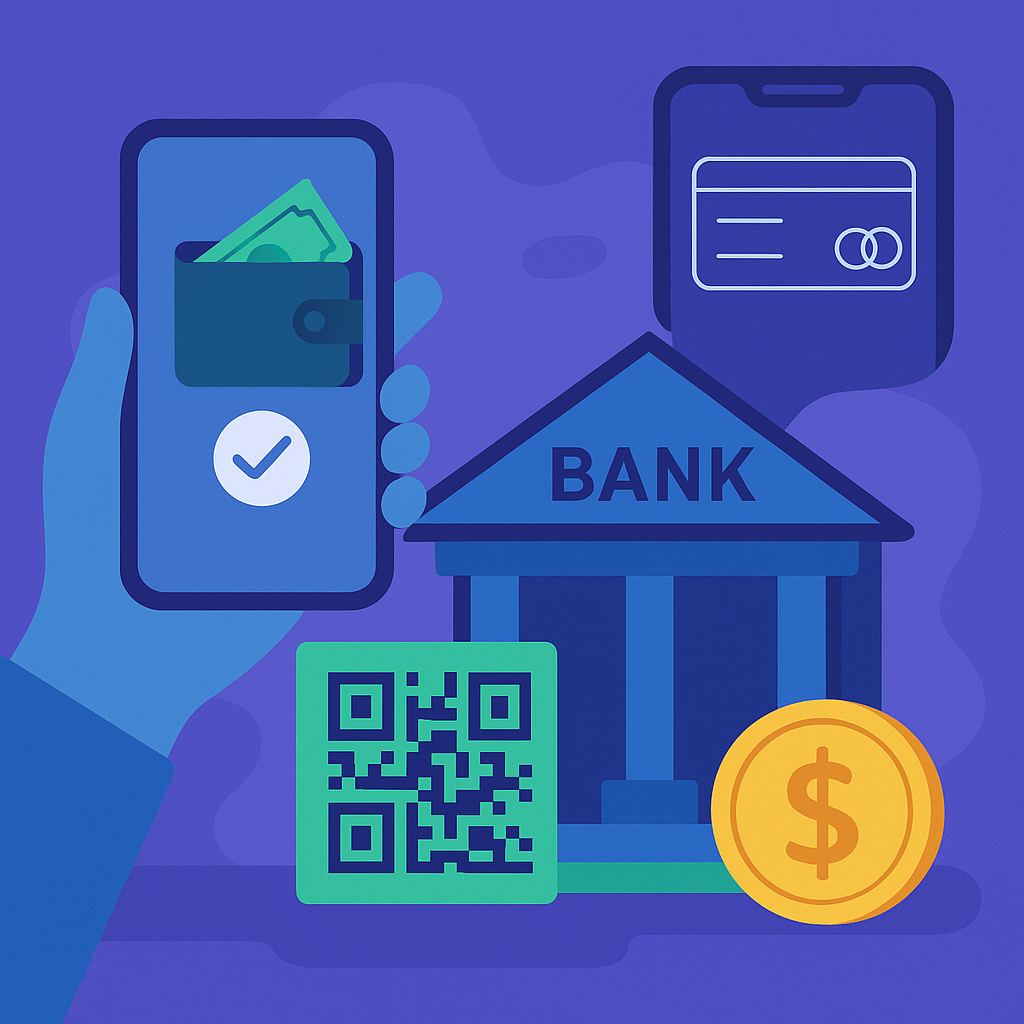
Vietnam Payment Solutions – What Businesses Must Know
The digital economy of Vietnam is expanding at one of the fastest rates in Southeast Asia. As mobile wallets, online banking, and QR code ecosystems continue to dominate consumer behavior, Vietnam Payment solutions have become a mandatory component for enterprises planning to enter Vietnam’s e-commerce, gaming, fintech, and cross-border retail markets.
In 2025, understanding 越南支付 systems is no longer just an advantage—it is a requirement for any business looking to achieve high conversion rates, regulatory compliance, and seamless customer experiences in the country. This comprehensive guide explores everything businesses must know before integrating Vietnam Payment methods, from regulations to APIs, settlement processes, cost structures, and future market trends.
The Evolution of Vietnam Payment Infrastructure in 2025
Vietnam has undergone a massive digital leap since 2020. Rapid fintech innovation, government-driven digitalization, and the explosive popularity of mobile wallets have created a payment environment that is highly localized and technically advanced.
Massive Growth in Digital Wallet Adoption
More than 60 million users in Vietnam rely on e-wallets for:
- Online shopping
- Utility bill payments
- Peer-to-peer transfers
- Gaming top-ups
- Food delivery
- Transportation services
The most dominant players in Vietnam Payment include:
- MoMo
- VNPay
- ZaloPay
- ShopeePay
- ViettelPay
- NAPAS-enabled Bank Cards
Together, they cover over 95% of the digital payment market.
The Decline of Cash in Urban Areas
Vietnam’s largest cities—Hanoi, Da Nang, Ho Chi Minh City—are approaching a future where digital transactions surpass traditional cash usage.
Businesses operating in urban Vietnam cannot succeed without integrating Vietnam Payment gateways aligned with domestic consumer habits.
Government-Driven Digital Transformation
The State Bank of Vietnam (SBV) actively pushes forward:
- Cashless payment adoption
- Unified QR systems
- Anti-fraud and risk-control mechanisms
- Data localization & cybersecurity compliance
All these changes influence how businesses must integrate Vietnam Payment methods in 2025.
Why Businesses Must Prioritize Vietnam Payment Integration
Integrating Vietnam Payment solutions directly impacts revenue, customer satisfaction, and brand trust.
Higher Conversion Rates
Vietnamese consumers prefer local payment channels.
Using only global gateways (PayPal, Stripe, etc.) reduces conversion by 30–50% because:
- They do not support VND payments
- They lack compatibility with MoMo/VNPay
- They require extra steps in the checkout process
- They trigger foreign transaction fees
Adding Vietnam Payment options almost always boosts success rates to above 95%.
Compliance With Vietnamese Law
Vietnam requires:
- Payment data to be stored in-country
- Licensed gateways to process transactions
- Anti-money laundering compliance
- Transparent reporting
A local Vietnam Payment provider ensures your business meets these rules (critical for cross-border merchants).
Customer Trust and Market Acceptance
Vietnamese users trust:
- Local wallet brands
- Local QR systems
- Local currency (VND)
- Localized checkout pages
Businesses that do not offer Vietnam Payment lose credibility among local shoppers.
Types of Vietnam Payment Solutions Available in 2025
Before integration, businesses must understand the full ecosystem of Vietnam Payment methods.
E-Wallet Payments
E-wallets dominate daily transactions in Vietnam due to convenience, instant settlement, and widespread support.
Top Vietnam Payment E-wallets:
- MoMo: 30+ million active users
- VNPay: Network with 40+ major banks
- ZaloPay: Strong in gaming & social commerce
- ShopeePay: E-commerce focused
- ViettelPay: Telecom-backed
- Payoo: High utility bill usage
Features:
- QR code scanning
- Linked bank accounts
- Bill payments
- High payment success rates
NAPAS Bank Transfer Payments
NAPAS is the backbone of Vietnam Payment, connecting:
- All major banks
- Card issuers
- ATM networks
- Online banking
Businesses targeting higher-value purchases benefit from this method because it appeals to:
- Middle-aged professionals
- Corporate users
- B2B buyers
QR Code Vietnam Payment
Vietnam uses a national QR standard (VietQR), enabling:
- Universal bank support
- Universal wallet support
- Instant settlement
- Lower transaction fees
By 2025, QR payments have become the most common offline and online payment channel.
International Cards + Local Wallet Hybrid
To support high-end customers, businesses often integrate:
- Visa
- Mastercard
- JCB
But for mass adoption, they must combine these with Vietnam Payment wallet systems.
Regulatory Requirements for Vietnam Payment Integration
Vietnam’s payment environment is tightly regulated for security and financial transparency.
Licensing Requirements
The SBV requires Vietnamese payment providers to hold:
- Payment Intermediary Service License
- E-wallet Operation License
- Bank Partnership Approvals
Foreign businesses cannot directly process payments inside Vietnam without a licensed partner.
Data Localization
All Vietnam Payment systems must store:
- Transaction data
- User identity data
- Payment logs
inside Vietnam.
Cloud-based international storage is restricted unless mirrored in Vietnam.
Anti-Fraud and AML
Vietnam mandates:
- KYC
- Anti-money laundering systems
- Transaction monitoring
- Suspicious activity reporting
Your chosen Vietnam Payment provider must meet these compliance standards.
Technical Integration: How Vietnam Payment Gateways Work
Before integration, businesses must understand the standard workflow of Vietnam Payment APIs.
API Flow Overview
Step 1 — Create Payment Order
Your system sends:
- Order ID
- Amount (in VND)
- Return URLs
- Wallet type
Step 2 — Redirect User to Payment
Users pay with:
- QR code
- MoMo
- VNPay
- ZaloPay
- Bank transfer
Step 3 — Payment Confirmation
The gateway triggers a webhook to your server.
Step 4 — Check Payment Status
Your server verifies using:
- Transaction ID
- Merchant API Key
- Signature key
Step 5 — Complete Order
You deliver the product/service instantly.
Sandbox vs. Production
Vietnam Payment systems include:
- Sandbox (testing environment)
- Production (live transactions)
Businesses must test:
- Failure scenarios
- Refund flows
- Network latency
- QR scanning reliability
Integration Timeframe
Most developers complete integration in:
- 1 day for standard API
- 2–3 days for full mobile SDK
- 1 week for custom flow
Vietnam Payment integration is faster than most global gateways because of simplified processes.
Settlement & Payout Structure in Vietnam Payment Systems
Understanding settlement is crucial for cross-border businesses.
Supported Settlement Currencies
Depending on the provider, settlements can be made in:
- VND
- USD
- EUR
- SGD
- CNY
- HKD
- USDT (some providers)
Settlement Cycles
Common settlement timeframes:
- T+0 (same-day)
- T+1
- T+2 to T+3 (cross-border)
High-volume merchants receive discounted settlement schedules.
Cost Structure of Vietnam Payment Solutions
Businesses must evaluate transaction fees before integration.
Typical Vietnam Payment Fees
| Method | Fee Range |
| E-wallets | 1.5%–2.5% |
| Bank transfers | 0.5%–1.5% |
| QR payments | 0.8%–1.8% |
| Cards | 2.5%–3.5% |
Hidden Costs to Watch
- Chargeback fees
- Refund processing
- Compliance fees
- FX conversion losses
- Settlement gateway fees
A professional Vietnam Payment provider discloses all fees transparently.
Key Challenges in Vietnam Payment Integration
Even in 2025, businesses must prepare for potential challenges.
Urban–Rural Payment Divide
Cities: Wallets dominate
Rural areas: Bank transfers or cash still used
Technical Variations Between Wallets
Each wallet uses:
- Different API signatures
- Different refund rules
- Different QR code protocols
Fraud Risks
Vietnam faces risks such as:
- Phishing
- Sim-swaps
- Fake wallet screenshots
A robust Vietnam Payment provider includes anti-fraud layers.
Best Practices for Successful Vietnam Payment Integration
To succeed in Vietnam, businesses must follow these best practices.
✔ Use Multiple Wallets
Cover MoMo, ZaloPay, VNPay together.
✔ Keep Checkout in VND
Vietnamese users distrust foreign currency prices.
✔ Enable QR Payments
QR codes drive higher mobile conversion.
✔ Offer Mobile-Optimized Pages
80%+ of Vietnam Payment transactions happen on smartphones.
✔ Display Wallet Logos Clearly
It dramatically boosts trust.
✔ Use Webhooks + Signature Keys
To avoid fraudulent payment confirmations.
✔ Keep UX Simple
Vietnamese shoppers prefer fast, frictionless checkout.
Future Trends Shaping Vietnam Payment in 2025 and Beyond
Vietnam Payment systems are entering a new era.
Unified QR Across ASEAN
Vietnam, Thailand, Singapore, and Malaysia are connecting national QR systems.
Instant Cross-Border Settlement
AI-powered settlement networks reduce payout delays.
AI Fraud Prevention
Detection models analyze:
- IP
- Device fingerprint
- Transaction patterns
Smart Wallet Ecosystems
Wallets will combine payments with:
- Credit lines
- Micro loans
- Buy-now-pay-later
- Loyalty programs
Businesses integrating early will benefit from these advancements.
Conclusion: Why Vietnam Payment Integration Matters in 2025
Vietnam has become a digital-first market where mobile wallets, QR payments, and local banking networks play a central role in online commerce. For businesses entering the market, integrating a 越南支付 system is essential—not optional.
Businesses benefit from:
- Higher transaction success
- Increased customer trust
- Legal compliance
- Faster settlement
- Lower costs
- Easier technical integration
- Improved conversion rates
As Vietnam continues to evolve into a regional fintech hub, the ability to integrate Vietnam Payment solutions effectively will define whether businesses thrive—or fall behind.